

My internship with the handloom project at IIT-Delhi, from July to September 2023, provided significant exposure and learning, particularly concerning the mental health and well-being of the weaver community in Sualkuchi, Assam.
During the internship, I gained a deeper understanding of the psychosocial and musculoskeletal challenges faced by the weavers. This included identifying barriers to accessing mental healthcare, such as language differences and the need for culturally sensitive interventions. I learned about the limited existing data on mental health and soft skills within this niche community. This often necessitated basing training modules and questionnaires on assumptions due to a lack of previous ground data.
My knowledge of the handloom sector and the weaver community was enhanced through extensive literature reviews, analysis of primary and secondary data, and the development of tools specifically tailored to their needs. I contributed to formulating a counselling program and training module, "WeaverWell: Crafting Mental Health and Empowerment for Handloom Weavers," which is a four-phase plan aimed at providing online and offline counselling services. I also helped draft a stress management module, including visual aids and worksheets, and identified standardized stress assessment scales covering work, family, financial, and social isolation stress.
Overall, the internship provided invaluable insights into the intricacies of community-based interventions, emphasizing the importance of cultural sensitivity, collaborative work with local members, and addressing multifaceted challenges to improve the well-being and productivity of the handloom weaver community.
My internship with IIT Delhi’s Handloom Project (July to September 2023) was a deeply transformative experience. While researching the lives of the weaver community in Sualkuchi, Assam, I was struck by the near total absence of mental health support for artisans, custodians of our cultural heritage, who quietly endure immense psychosocial and physical burdens.
This project led to the development of WeaverWell: Crafting Mental Health and Empowerment for Handloom Weavers, a culturally attuned program offering counselling support, stress management tools, and resources for financial and social stressors. With limited baseline data, we created context-sensitive materials from the ground up, honoring local language and values.
This journey wasn’t just academic; it was a call to action. Supporting our weavers means preserving not just tradition, but the well-being of those who embody it. I leave with a stronger sense of responsibility and hope that such initiatives can bring lasting, human-centered change.

The Handlooms R&D Project at IIT Delhi offered a truly interdisciplinary platform to apply psychological insights to real-world challenges. Being selected for this opportunity from a highly competitive pool was an honour, and I’m incredibly grateful to the IIT Delhi team for placing their trust in me.
My work focused on occupational health, human factors, and mental well-being among handloom weavers in Assam - exploring the psychological and environmental factors affecting their health and productivity. My responsibilities included conducting secondary research, contributing to tool and module development, drafting proposals for wellness interventions, and collaborating with a close-knit team to explore community-based mental health strategies.
Through the project, I contributed to designing psychoeducational materials, developing behavior-based interventions for preventing musculoskeletal disorders, and co-creating psychometric tools to assess psychosocial stress among weavers. I also worked on proposals to integrate traditional wellness systems like AYUSH into community care.
The experience allowed me to meaningfully apply behavioural science principles in a culturally rooted occupational setting, while sharpening skills in research design, evidence based mental health interventions, program development, policy framing and cross-functional collaboration.
I extend my sincere thanks to my mentor Dr. Meera Iyer and the faculty at IIT Delhi especially Dr. Mitali Das, Dr. Mukopadhyay, and Dr. Wazed Ali for their constant encouragement and vision. I'm proud to have contributed to a project that demonstrates how psychology can drive impact far beyond clinical spaces, especially in culturally sensitive, community driven contexts. I’m grateful to have been part of a team that truly valued collaboration, research, and innovation and I carry this experience forward as one of the most formative parts of my professional journey.
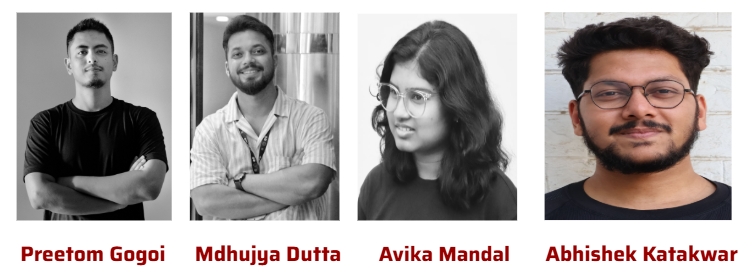
Silk, Skill, and Community: Reflections from Sualkuchi -
Preetom Gogoi, Madhujya Dutta, Avika Mondal, Abhishek Katakwar
Our journey to Sualkuchi, affectionately known as the "Manchester of Assam," turned out to be an unforgettable immersion into the world of silk handloom weaving. The town’s reputation for producing exquisite silk fabrics is well-deserved, and our visit oƯered a rare glimpse into the daily lives, remarkable skills, and persistent challenges of the local weaving community.
As we explored Sualkuchi, we had the privilege of witnessing the entire silk production process unfold before us. From the delicate extraction of silk threads to the intricate artistry displayed on traditional looms, every step was a testament to the artisans’ meticulous craftsmanship. Our interactions with the weavers were both enlightening and humbling; they generously shared insights about the diƯerent varieties of silk native to Assam—Muga, Eri, and Pat—each with its unique qualities and significance. The workshops themselves buzzed with the rhythmic sounds of looms, creating an atmosphere that spoke volumes about the dedication and expertise of the community.
One of the most striking lessons from our visit was the immense value placed on tradition. The techniques and designs we observed have been handed down through generations, preserving a rich cultural heritage even as the artisans adapt to changing times and tastes. Yet, it became clear that this sector faces significant hurdles. The weavers spoke candidly about the economic and social challenges they encounter, such as fluctuating raw material costs, competition from mechanized textiles, and the constant struggle for better market access.
What stood out most was the sense of community that permeates Sualkuchi’s weaving industry. The craft is not just a means of livelihood for individual artisans but forms the backbone of the local economy, supporting entire families and neighborhoods. The spirit of collaboration and mutual support was evident everywhere, reinforcing the idea that the industry’s strength lies in its collective resilience.
Another important takeaway was the inherent sustainability of handloom weaving. Unlike industrial processes, this craft relies on manual skills and locally sourced materials, making it both environmentally friendly and closely tied to the region’s identity.
Our time in Sualkuchi left us with a profound appreciation for the artistry and perseverance of its weavers. The handloom sector here is a fascinating blend of heritage and innovation, with artisans striving to uphold age-old techniques while also exploring new designs and markets. Their pride in their craft, coupled with a willingness to adapt, is what keeps the tradition alive and thriving.
Reflecting on the experience, it’s clear that the trip was truly eye-opening. It revealed the delicate balance between honoring tradition and embracing change in Sualkuchi’s handloom sector. We returned with a deeper respect for the weaving community and a much clearer understanding of both the challenges they face and the opportunities that lie ahead. Above all, this exposure has enriched our knowledge and inspired us to support and promote the enduring legacy of handloom weaving in every way we can.
Being part of the Handlooms Research and Development Study in the North Eastern Region (Assam) was a professionally enriching experience. As an M.Tech student in the Department of Textile and Fibre Engineering at IIT Delhi, I contributed to a large-scale R&D initiative aimed at strengthening the handloom sector of Assam.
My role involved collecting, monitoring, and synthesizing the database generated during the study, along with collating and organizing information from multiple research stages to ensure accuracy and relevance. I was responsible for structuring the data in alignment with project objectives, supporting the timely development of the final report.
This experience strengthened my understanding of research-based documentation, data interpretation, and report formulation in real-world textile systems. Contributing to a study of regional and socio-cultural significance reinforced the value of systematic data handling and objective-driven reporting, and I am grateful to have been part of this initiative.

Working at IIT-Delhi as a research intern opened a plethora of learning opportunities which not only included becoming equipped with technical knowledge surrounding research projects but also exposed us to ground reality of niche populations of our society, like the women weavers of Assam, and the depth of support they need. Data coding, action plan, report writing, proposal drafting was some of the roles and responsibilities that our team fulfilled.
While I was aware that the handloom industry is physically demanding, the answers to the questionnaire designed to understand the women weaver’s needs coupled with our Project Executive, Ms. Mitali Das Talukdar’s ground experience teachings revealed insights that added understanding and depth to my awareness. The handloom industry is not only physically demanding but also requires mental resilience. IIT-Delhi’s commitment towards community upliftment is inspiring and I am honored to have been a part of the team.
Thank you for the experience and guidance.

My internship at IIT-Delhi was an eye-opening journey that blended academic learning with real-world exposure. Being part of a research team working closely with communities like the women weavers of Assam gave me a new lens to view the intersection of culture, livelihood, and support systems.
Our responsibilities ranged from data coding and drafting proposals to creating action plans and compiling detailed reports. But what stood out the most was the chance to understand the lived realities behind the data. The insights shared by our Project Executive, Ms. Mitali Das Talukdar, especially her on-ground experiences, enriched our perspective beyond what textbooks could offer.
I had always known that handloom work was physically intensive, but this project showed me how much emotional and mental strength it also demands. IIT-Delhi’s commitment to empowering marginalized communities through research and engagement is truly commendable. I’m grateful to have contributed to a project that blends academic rigor with social impact.
Thank you for the opportunity and mentorship.

During my internship with the Handlooms R&D Project in Assam, supported by the North Eastern Council and the Ministry of Development of the North Eastern Region, and implemented by IIT Delhi, I had the opportunity to gain hands-on experience in both qualitative and quantitative research focused on the well-being of weavers in Sualkuchi district.
My responsibilities included developing interview questions, analyzing survey data from 400 weavers, and creating frameworks for data analysis using SPSS. I was involved in interpreting results, formulating reports, and planning actionable deliverables based on our findings. A significant part of my work was dedicated to researching and designing modules on health, mental well-being, and skill development, including the creation of facilitator manuals and toolkits for field administrators.
This internship offered me deep insight into the challenges faced by the handloom sector, particularly regarding the health and livelihoods of the weaver community. I learned how research and data-driven interventions can directly contribute to improving quality of life. Working closely with the R&D team, I developed skills in data analysis, module development, and collaborative research, and gained a greater appreciation for the resilience and skill of the weavers. This experience has strengthened my understanding of the importance of holistic, community-centered approaches in development projects and the value of interdisciplinary teamwork.


Being part of the Handloom Research and Development Project in Assam, implemented by the Department of Textile and Fibre Engineering, IIT Delhi, was a truly eye-opening experience for both of us. As psychology undergraduates, we were given the opportunity to work as research interns and contribute to a meaningful initiative that explored the lives and working conditions of handloom weavers in Assam.
Our role involved closely engaging with the data collected from thousands of weavers across Sualkuchi, Sanpara, Bangsar, and Hahim. Though we were not present in the field, the stories and patterns that emerged through the data brought us deeply in touch with the real- life challenges, resilience, and aspirations of the weaving community—especially the women who form the backbone of this sector.
This experience helped us understand how economic hardships, health issues, lack of support systems, and changing industry pressures affect not just livelihoods but the overall well-being of artisans. It also highlighted the importance of care, recognition, and support in creating sustainable change in traditional sectors, such as handloom.
Working on this project helped us grow both intellectually and personally. It reinforced the value of empathy and the importance of listening—whether in a counseling session or through the voices behind the data. We are grateful to the IIT Delhi team for entrusting us with this opportunity and for allowing us to contribute to a project that bridges policy, design, mental health, and community care.
This internship has left a lasting impact on our perspectives, and we hope to carry these lessons forward in everything we do.
নমস্কাৰ, মই বিপুল দাস। অসমৰ ম্যানচেষ্টাৰ বুলি খ্যাত বস্ত্ৰনগৰী শুৱালকুচিত মোৰ জন্ম।
বুধয়াম মাধৱ সত্ৰাধিকাৰ মহাবিদ্যালয়ৰ পৰা মই স্নাতক ডিগ্ৰী সমাপ্ত কৰিছোঁ। অতি দুখীয়া পৰিয়ালত জন্মগ্ৰহণ কৰি জীৱনৰ বাটত আগবাঢ়োঁতে বহু ঘাট-প্ৰতিঘাটৰ সম্মুখীন হ’বলগা হৈছিল। কলেজীয়া শিক্ষা সম্পূৰ্ণ কৰাৰ পাছতে যেতিয়া সমবয়সীয়া লৰা-ছোৱালীয়ে চৰকাৰী চাকৰিৰ পাছত দৌৰি ফুৰিছিল, ঠিক তেতিয়াই মই ঘৰতে থকা তাঁতশালখন নতুনকৈ চলিবলৈ আৰম্ভ কৰিলোঁ।
সৰুতেৰে পৰা জীৱনত কিবা এটা অৰ্থপূৰ্ণ কৰাৰ উদ্দেশ্য মনত লুকাই ৰাখিছিলোঁ; সেয়েহে H.S.L.C. পৰীক্ষা দিয়াৰ পাছতেই ঘৰতে কোনোবাই নজনাকৈ নিজে নিজেই তাঁতৰ কাম শিকিব আৰম্ভ কৰিলোঁ। সেই একে সময়তে বহু দুখীয়া শিপিনীৰ সন্তানসকলক কোনো বিনিময় নলওতে বিনামূলীয়া টিউচন দিছিলোঁ।
হাইচেকেণ্ডেৰী পাৰ কৰাৰ লগে লগেই, এটা নতুন বেচৰকাৰী সংগঠন (NGO) গঠন কৰি সমাজৰ মাজলৈ আহি শিপিনীৰ অসুবিধাসমূহ কেনেকৈ দূৰ কৰিব পাৰি—সেই কথাই আলোচনা কৰিছিলোঁ। এইবোৰ ২০০৮ চনৰ আগৰ কথা। ২০০২ চনৰ পৰা শিপিনীয়ে পাবলগীয়া চৰকাৰী সুবিধাসমূহ বাস্তৱায়িত কৰিবলৈ মই অসম চৰকাৰৰ হস্ততাঁত-বস্ত্ৰশিল্প বিভাগৰ সৈতে আলোচনা কৰি এটাকৈ আচনি প্ৰস্তুত কৰিলোঁ। আমাৰ NGO ‘পৰিয়াল’ৰ অশেষ পৰিশ্ৰমে ২০১১ চনত সেই সুবিধাসমূহ শিপিনীৰ হাতত পৌঁছাব পাৰিলোঁ।
২০০২ ৰ পৰা ২০১১ চনলৈকে এই সময়ছোৱাত আমাৰ N.G.O. ‘পৰিয়াল’ৰ সদস্যসকলে বিভিন্ন চৰকাৰী বিভাগত Officer Rankত চাকৰি লাভ কৰিছিল। নকলেও নহয়—মই নিজেও Railway আৰু Forest Development ৰ সাক্ষাৎকাৰ পাৰ কৰিলোঁ; তথাপি চাকৰি গ্ৰহণ নকৰিলোঁ। হয়তো মোৰ লক্ষ্য আৰু উদ্দেশ্যেই মোক চাকৰি পথৰপৰা আঁতৰুৱাই ৰাখিলে। যি হওক, ২০১১ চনৰ পৰা শুৱালকুচিৰ সন্তান হিচাপে ‘East Cluster’ নামেৰে হস্ততাঁত-শিল্প বিভাগৰ আচনি এখন শিপিনীৰ মাজলৈ লৈ আহিলোঁ আৰু উক্ত আচনিখন সম্পূৰ্ণভাৱে মোৰ চিন্তাধাৰা অনুসৰি সফল কৰাত সক্ষম হলোঁ, যাৰ ফলত মই হস্ততাঁত-বস্ত্ৰশিল্প বিভাগত এটা সুকীয়া স্থান দখল কৰিবলৈ সক্ষম হলোঁ।
এনেদৰে প্ৰায় ১৮/২০ বছৰৰ এটা যাত্ৰা চলি থকা সময়তেই, ২০২০ চনত ভাৰত চৰকাৰে হস্ততাঁত ক্ষেত্ৰত নতুন জাগৰণ আনিবলৈ Handloom Producer Company গঠন কৰাৰ সিদ্ধান্ত ল’ল। তাৰ লগে লগেই ২০২০ চনৰ ২৮ আগষ্টত ২০ জন শিপিনীক সৈতে Barnali Handloom Producer Company খুলিলোঁ।
২০২৩ চনত আমি NEHHDC ৰ পৰা Best Seller Award লাভ কৰিলোঁ।
বস্ত্ৰ বিভাগ,আই আই টি দিল্লীৰ গৱেষকৰ এটা দল, শিপিনী আৰু আমাৰ কোম্পানীৰ মাজত প্ৰথমখন সভা অনুষ্ঠিত হৈছিল,২০২২ চনত। সেই সুন্দৰ সভাখনত শিপিনীৰ অসুবিধাসমূহ বুজোৱা হ’ল আৰু উন্নয়নৰ কথা দাঙি ধৰিলোঁ। এনেদৰে নতুন পথেৰে, নতুন আশাৰে, নতুন মনোবল আৰু সৃজনশীল চিন্তাধাৰাৰে আগবঢ়াৰ সংকল্প ল’লোঁ। মোৰ উদ্দেশ্য একেই—সকলোৰে উন্নতি হ’ব আৰু শিপিনীয়ে আধুনিক ৰূপত তাঁতশালত কাম কৰিব পাৰিব।
নিশ্চয়! এই বাক্যখনক অধিক প্ৰৱাহী, শুদ্ধ আৰু আকৰ্ষণীয় কৰি সাজিলোঁ—
👉 সংশোধিত ৰূপঃ
“আই.আই.টি. দিল্লীৰ উক্ত দলেৰে জড়িত মিতালী বাৰে, এজনী উদ্যমী মহিলা, NEC ৰ ‘Weavers’ Development and Recharge’ উদ্যোগত আগভাগ লৈছিল। এজনী অসমীয়া জীয়ৰী হিচাপে দিল্লীত বাস কৰিও অসমৰ শিপিনীৰ সমস্যা লৈ সদায় চিন্তিত থকাৰ মনোভাব অতি প্রশংসনীয়। মোৰ কৰ্মজীৱনত তেওঁৰ অৱদান বিশেষভাবে মূল্যবান।”
ধীৰাজ ঠাকুৰীয়া, NEHHDC ৰ প্ৰাক্তন Managing Director—তেওঁৰ সুন্দৰ Advice ত আমি বহু নাজানা কথা শিকিব পাৰিলোঁ। এই বাক্যখন ইতিমধ্যেই অলঙ্কাৰিক আৰু আবেগময়, কিন্তু শব্দ-বিন্যাস আৰু প্ৰৱাহ সাৱলীল কৰিলে অধিক সুন্দৰ লাগিব।যেনেকৈ এজনী মা-এ নিজৰ পোৱালীক আহাৰ খুৱাই স্নেহেৰে যত্ন কৰে, ঠিক তেনেকৈয়ে আই.আই.টি. দিল্লীৰ দল ক পাই আমাৰ শিপিনীয়ে যেন এজনী মাতৃস্নেহৰ আশ্ৰয় লাভ কৰিলে। ইয়াক লৈ আমি সত্যিই আনন্দিত।
এই প্ৰকল্পৰ অধীনত আমাৰ কিছুমান শিপিনীক দক্ষতা বিকাশৰ প্ৰশিক্ষণ দিয়া হৈছিল আৰু লগতে অনলাইন/অফলাইন জৰীপ কৰাৰ ক্ষেত্ৰতো নিৰ্দেশনা দিয়া হৈছিল। এই আৰ এণ্ড ডি প্ৰকল্পৰ জৰিয়তে আমাৰ কোম্পানীয়ে NEHHDC ৰ সৈতে ব্যৱসায়ক্ষেত্ৰত চুক্তি স্বাক্ষৰ কৰিব পাৰিলোঁ।
আই.আই.টি. দিল্লীৰ ষ্টাফৰ সহায়ত আমি NEHHDC ৰ জৰিয়তে ৩০০ জন শিপিনীক QR ক’ড বিতৰণ কৰিলোঁ।
লগতে এই আই আই টি দিল্লী প্ৰকল্পৰ অধীনত ২০০ জন শিপিনীৰ বাবে আয়ুছ হোমিঅ’পেথী আৰু আয়ুৰ্বেদৰ পৰা, প্ৰায়১০০ জন শিপিনীৰ বাবে লাইটিং শ্বেড, সুবিধা লাভ কৰি শিপিনীসকলে লাভৱান হৈছিল
সজাগতা শিবিৰৰ জৰিয়তে আমাৰ শিপিনীসকলে কামৰ সময়ত যিকোনো ধৰণৰ বিষ, মানসিক চাপ আদিৰ চিকিৎসা কেনেকৈ কৰিব লাগে সেই বিষয়ে শিকিছিল।
শেষত ক’বলৈ ইচ্ছা কৰোঁ—আমাৰ কোম্পানীৰ staff, আমাৰ weavers আৰু গুৰুত্বপূৰ্ণ অংশীদাৰ আই.আই.টি.ৰ সহায়েৰে শিপিনীৰ মাজত এটা সঁচা জাগৰণ আনি ধৰাৰ প্ৰয়াস আমাৰ অব্যাহত থাকিব।

নমস্কাৰ
মোৰ নাম নীলিমা দেৱী।মই অসমৰ কামৰূপ জিলাৰ শুৱালকুচি অঞ্চলত বাস কৰো।
শুৱালকুছি চলি থকা I I T Delhi r দ্বাৰা ৰূপাইত “Recharges & Development program for handloom weavers in NER( Assam)”ৰ অন্তৰ্গত কিছুমান গৱেষণা আৰু বিকাশমূলক কাৰ্য্যসূচিত অংশগ্ৰহণ কৰিব পাই মই সঁচাকৈ নথৈ আনন্দিত অনুভব কৰিছো কিয়নো এই প্ৰকল্পত অংশগ্ৰহণ ৰ জৰিয়তে মই শিপিনী সকলৰ জীৱন যাত্ৰা আৰু তেওঁলোকৰ দৈনিক সন্মুখিত হোৱা সমস্যা সমূহ গভীৰ ভাবে বুজিবলৈ সক্ষম হৈছিলো।
মই শুয়ালকুচি ৰ বাসিন্দা হৈ ও ইমান দিনে মই শিপিনী সকল যে বহু সমস্যা আৰু সুবিধাৰ প্ৰয়োজন মই জানিব পৰা নাছিলোঁ। যেতিয়া এই প্ৰকল্পৰ চাৰ বাইদেউ সকল শুৱালকুছিত আহি বন্ধু সুলভ পক্ষীক্ষণ প্ৰদান কৰে। প্ৰথমটো পৰিবেক্ষণ আমি অফলাইন কৰিলোঁ।এই পৰিবেক্ষণ ৰ দ্বাৰা আমি শিপিনী সকলৰ সৈতে কেনেদৰে সংযোগ স্থাপন কৰিব, তেওঁলোকৰ সমস্যা সমূহ কেনেদৰে বুজিব ,সেইবোৰ শিকাৰ সুযোগ পাইচিলো।
পৰিৱেশনৰ পিছত এখন awareness program আয়োজন কৰা হয়।তাত শিপিনী সকলক নিমন্ত্ৰণ জনোৱা হৈছিল আৰু তেওঁকৰ সৰু কৈ সাস্থ পৰীক্ষা কৰা আৰু কিছুমান বিয়াম শিকোৱা হৈছল। তাৰ পিছত কিছু পৰিমাণে বাল্যব প্ৰদান কৰা হৈছিল।
পাছত আকৌ google form ব্যৱহাৰ কৰী কিদৰে শিপিনী সকলৰ তথ্য সংগ্ৰহ কৰিব ।এইবোৰ অনলাইন মিটিং ৰ জৰিয়তে চাৰ বাইদেউ সকলে সুন্দৰভাৱে বুজাই দিছিল।
এই সকলো বোৰ অভিজ্ঞতাই মোৰ বাবে অমূল্য শিক্ষা। শিপিনী সকলৰ জীৱনৰ নানা দিশ জানিবলৈ আৰু তেওঁলোকৰ সমস্যা উপলব্ধি কৰিবলৈ পাই মই বহুত সুখী অনুভৱ কৰিছো।আৰু
ভবিষ্যতে তেওঁলোকক সহায়ৰ অৱদান ৰাখিবৰ আশাৰে মই মোৰ এই অভিজ্ঞতা লাভ কৰিলোঁ।
ধন্যবাদ।

মোৰ নাম নিহাৰিকা দেৱী।
মই অসমৰ কামৰূপ জিলাৰ অন্তৰ্গত শুৱালকুছিত বসবাস কৰো।
শুৱালকুছি “অসমৰ মাঞ্চেষ্টাৰ” নামেৰে পৰিচিত, কাৰণ এই সুঁৱণী গাঁওখন বিশেষকৈ ইয়াৰ বয়নশিল্প আৰু ৰেচম কাপোৰৰ বাবে সমগ্ৰ অসম তথা ভাৰতত বিখ্যাত। ইয়াত উৎপাদিত মুগা, এৰী আৰু পাটৰ কাপোৰ অসমীয়াৰ গৰ্ব আৰু পৰিচয় বহন কৰে।
মই গৰ্বিত যে আই.আই.টি দিল্লীৰ দ্বাৰা ৰূপায়িত “Research and Development Programme of Handloom Weavers in NER (Assam)” প্ৰকল্পৰ অংশ হিচাপে শিপিনীসকলৰ বিষয়ে গৱেষণা কৰাৰ এক অনন্য সুযোগ লাভ কৰিছোঁ। এই অভিজ্ঞতাই মোৰ দৃষ্টিভংগী পৰিবৰ্তন কৰিলে আৰু বয়নশিল্পৰ অন্তৰ্নিহিত জগতটো বুজিবলৈ সহায় কৰিলে।
এষাৰ কথা আছে: “শিপিনীসকলে তেওঁলোকৰ সপোনবোৰ তেওঁলোকৰ হাতৰ কাপোৰখনত বোৱে।”
আমাৰ চকুত পৰে কেৱল সেই সুন্দৰ কাপোৰখিনিয়েই, কিন্তু তাৰ আঁৰত থকা কষ্ট, সহিষ্ণুতা আৰু নীৰৱ সংগ্ৰামবোৰ আমি সাধাৰণতে নেদেখোঁ। যদিও মই শিপিনিসকলৰ মাজতেই বাস কৰোঁ, তথাপিও এই গৱেষণাৰ আগলৈ তেওঁলোকৰ সুবিধা-অসুবিধাবোৰৰ বিষয়ে গভীৰভাৱে বুজাৰ সুযোগ নাছিল।
এই গৱেষণাৰ জৰিয়তে মই শিপিনিসকলৰ জীৱনৰ বহু নজনা দিশ, দিনচৰ্যাৰ সংগ্ৰাম, বয়ন প্ৰক্ৰিয়াৰ কৌশল, আৰু তেওঁলোকৰ সামাজিক-অৰ্থনৈতিক সমস্যা বুজি পালোঁ। এইবোৰে মোক গভীৰভাৱে স্পৰ্শ কৰিছে। আশাকৰোঁ, ভৱিষ্যতে মই তেওঁলোকৰ বাবে অলপ হলেও সহায়ক হ’ব পাৰিম।
এই গৱেষণাত অংশ লোৱাৰ পূৰ্বে, আমাক অনলাইন মিটিঙৰ মাধ্যমে সু-সংগঠিত আৰু ধৈৰ্যপূৰ্ণ প্ৰশিক্ষণ দিয়া হৈছিল। এই প্ৰশিক্ষণত আমি শিকিলোঁ — কেনেদৰে Google Form সঠিকভাৱে ব্যৱহাৰ কৰিব, শিপিনী গৰাকীক বন্ধুত্বসুলভভাৱে প্ৰশ্ন সুধিব, আৰু যদি তেওঁলোকে কোনো প্ৰশ্ন বুজি নোপায়, তেন্তে সহজ উদাহৰণৰ মাধ্যমে কিদৰে বুজাই দিব। প্ৰতিটো ক্ষুদ্ৰ দিশলৈ গুৰুত্ব দি, আমাৰ বাবে গৱেষণাটো যাতে সুচাৰুৰূপে আৰু ফলপ্ৰসূভাৱে সম্পন্ন হয়, তাৰ বাবে প্ৰশিক্ষণৰ ব্যৱস্থাপনা অতি প্ৰশংসনীয় আছিল।
এই গৱেষণা অভিজ্ঞতা মোৰ বাবে অত্যন্ত শিক্ষণীয়, অনুপ্ৰেৰণা দায়ক, আৰু মানৱিক মূল্যবোধত সমৃদ্ধ। ইকেৱল এটা গৱেষণা নহয়—ই আছিল মানুহক চিনি পাবলৈ, সঘন সংযোগ গঢ়ি তোলাৰ এক সুযোগ, যিয়ে মোক ব্যক্তিগতভাৱে সমৃদ্ধ কৰি গ’ল।
মই আই আই টি দিল্লী আৰু সম্পূৰ্ণ গৱেষণা দলেৰ প্ৰতি অশেষ কৃতজ্ঞতা জ্ঞাপন কৰিছোঁ যে মোক এইতো মূল্যৱান অভিজ্ঞতা লাভৰ সুযোগ দিলে।
— ধন্যবাদ
নিহাৰিকা দেৱী

নমস্কাৰ,
মোৰ নাম নিকিতা ডেকা। মই অসমৰ কামৰূপ জিলাৰ শুৱালকুছি অঞ্চলত বাস কৰো।
শুৱালকুছিত চলি থকা IIT Delhi-ৰ দ্বাৰা ৰূপায়িত “Research & Development Programme for Handloom Weavers in NER (Assam)”-ৰ অন্তৰ্গত কিছুমান গৱেষণা আৰু বিকাশমূলক কাৰ্যসূচীত অংশগ্ৰহণ কৰাৰ অপূৰ্ব সুযোগ মোৰ ভাগ্যত জুটিছিল। এই প্ৰকল্পত অংশগ্ৰহণৰ জৰিয়তে মই শিপিনীসকলৰ জীৱন আৰু তেওঁলোকৰ দৈনিক চেলেঞ্জসমূহ অধিক গভীৰভাৱে বুজিবলৈ সক্ষম হৈছিলো।
যদিও মই শুৱালকুছিৰ বাসিন্দা, তথাপিও ইয়াৰ আগলৈ শিপিনীসকলে সন্মুখীন হোৱা সমস্যা আৰু সুবিধাবোৰৰ বিষয়ে বহু কথা মোৰ জানিব পৰা হোৱা নাছিল। এই প্ৰকল্পৰ জৰিয়তে প্ৰথমটো পৰিৱেক্ষণ আমি অফলাইনত কৰিলোঁ। তাৰ পূৰ্বে আমাৰ গোটটোক চাৰ বাইদেউয়ে নিজে শুৱালকুছিলৈ আহি এক বন্ধুসুলভ প্ৰশিক্ষণ দিছিল। এই প্ৰশিক্ষণত আমি শিপিনীসকলৰ সৈতে কেনেদৰে সংযোগ স্থাপন কৰিব, তেওঁলোকৰ সমস্যাবোৰ কেনেদৰে বুজিব, সেইবোৰ শিকাৰ সুযোগ পায়ছিলোঁ।
পৰিৱেক্ষণৰ পিছত আমি এখন Awareness Programme আয়োজন কৰিলোঁ। তাত শিপিনীসকলক নিমন্ত্ৰণ জনোৱা হৈছিল, আৰু কিছু ব্যায়ামৰ লগতে যিসকলৰ ঘৰলৈ পোহৰ নাছিল, তেওঁলোকক বাল্ব দিয়াৰ ব্যৱস্থাও কৰা হৈছিল।
পাছত আমি আকৌ দুটা পৰিৱেক্ষণ কৰিলোঁ, য’ত আমি Google Form ব্যৱহাৰ কৰি তথ্য সংগ্ৰহৰ কামত অংশ লৈছিলোঁ। কিদৰে Google Form ব্যৱহাৰ কৰিব, কেনেদৰে শিপিনীসকলৰ পৰা নিৰ্ভৰযোগ্য তথ্য সংগ্ৰহ কৰিব, এইবোৰ অনলাইন মিটিঙৰ জৰিয়তে চাৰ বাইদেউয়ে সুন্দৰভাৱে শিকাই দিছিল।
এই সমগ্ৰ অভিজ্ঞতাই মোৰ বাবে এক অমূল্য শিক্ষা। শিপিনীসকলৰ জীৱনৰ নানা দিশ জানিবলৈ, তেওঁলোকৰ সমস্যা উপলব্ধি কৰিবলৈ আৰু ভবিষ্যতে তেওঁলোকৰ সহায়ত কিছু পৰিমাণে অৱদান ৰাখিবৰ আশাৰে মই এই অভিজ্ঞতা লাভ কৰিলোঁ।
ধন্যবাদ।

I am Lobna Kakati, a resident of Sualkuchi, Assam, and I had the privilege of participating in IIT Delhi’s “Research & Development Programme for Handloom Weavers in NER (Assam).” This enriching experience deepened my understanding of the challenges faced by local weavers and their lives. Through insightful training sessions, hands-on observations, and the Awareness Programme, I learned how to connect with weavers and gather valuable data using tools like Google Forms. These learnings not only gave me practical skills but also inspired me to contribute more meaningfully to the well-being of my community.At the same time, my family and I also undertook a hands-on project of raising eri silkworms (Samia ricini). Beginning with tiny eggs, we watched in awe as the larvae hatched, grew rapidly on fresh castor leaves, and eventually spun their cocoons. Using simple dry banana leaves, we provided them space to build their protective homes, and it was fascinating to witness nature’s delicate process of silk production. This journey gave me a deep appreciation for the care and dedication required in sericulture, as well as a stronger connection to the origins of one of the world’s most sustainable fibers.
Together, these experiences have broadened my perspective—combining scientific learning, traditional wisdom, and hands-on practice—and strengthened my desire to contribute to the sustainable growth of Assam’s weaving and silk traditions.