
Research and Development Programme of Handloom in NER (Assam)
Final Report
Submitted by
Shipra Rajvansh
Shivendra Singh Kushwaha
Meesala Ratan Babu

Implemented by the Department of Textile and Fiber Engineering, IIT, Delhi. Project Ref. No.: FT/2022/05/5
Assam's silk weaving tradition boasts a rich and fascinating history, deeply intertwined with the state's cultural fabric. Here's a glimpse into its evolution:
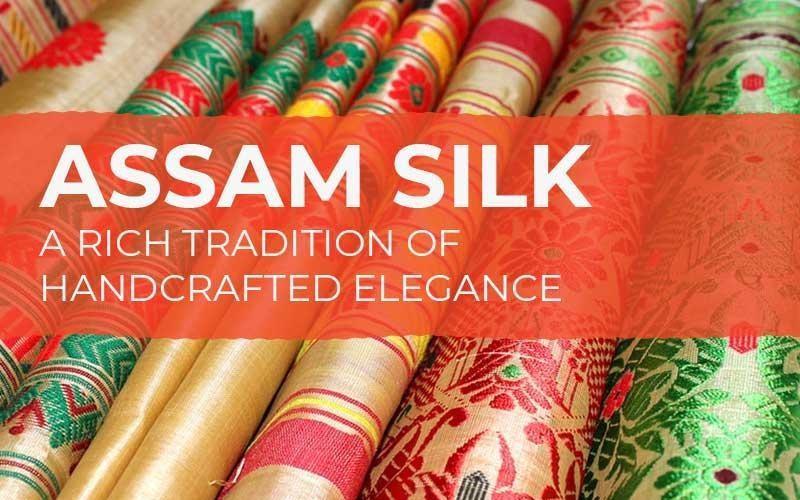
While definitive records are scarce, evidence suggests silk production in Assam might date back centuries. The Kautilya's Arthashastra (3rd century BC) mentions "highly sophisticated silk clothing" from this region, hinting at an established tradition.
Trade Routes: Historical accounts suggest major trade routes, like the Silk Road, passed through present-day Assam or nearby regions like Burma. This facilitated the exchange of knowledge and techniques related to sericulture (silk farming) and weaving.
The rise of the Ahom dynasty (1228-1828 AD) marked a significant period for Assamese silk. The Ahom kings recognized the economic and cultural value of silk, actively promoting its production and weaving.
Though geographically distant, the Mughal Empire's (1526-1857 AD) love for luxury textiles likely influenced Assamese silk designs. This could explain the incorporation of intricate motifs and zari work (metallic embroidery) seen in some varieties.
Sualkuchi, a town in present-day Kamrup district, is believed to have been established around the 11th century. Legend credits King Dharma Pala of the Pala dynasty (900-1100 AD) with bringing weaver families to Sualkuchi, laying the foundation for this renowned weaving center.
The British colonial period witnessed a decline in royal patronage and a shift towards commercial production. However, the tradition persevered, with silk remaining an important export commodity.
The golden-hued Muga silk, prized for its natural luster and durability, is indigenous to Assam and contributes significantly to the state's silk production.
Eri silk, known for its warmth and comfort, is obtained from the eri worm that feeds on castor leaves.
White-colored Paat silk, extracted from mulberry silkworm cocoons, is a later introduction but has gained popularity.
In 2007, Muga silk received a Geographical Indication (GI) tag, recognizing its unique qualities and origin. This protects its intellectual property and enhances its market value.
Assam silk, with its mesmerizing Muga, warm Eri, and versatile Paat varieties, is a testament to the state's rich heritage. However, this age-old industry faces challenges that threaten its sustainability and growth. Let's delve deeper into the current situation and explore initiatives to ensure a brighter future for Assam silk.
Cheap Imitations: Machine-made imitations that mimic the look of Assam silk flood the market at a fraction of the cost. This undercuts genuine handwoven pieces, impacting weaver livelihoods.
Limited Market Reach: Compared to other established silk hubs, Assam silk struggles with brand recognition and limited marketing efforts. This restricts its reach to a wider audience and hinders market potential.
Skilled Labor Shortage: The intricate craft of handloom weaving requires dedication and skill development. With the younger generation opting for other career paths, a looming shortage of skilled weavers threatens the industry's future.
Fluctuations in Raw Materials: Muga silk relies on the eri worm, a wild species. The unpredictable availability and price fluctuations of Muga cocoons make consistent production and pricing challenging.
Research and Development: Investing in research and development initiatives can explore alternative, sustainable sources of raw materials and improve dyeing techniques to minimize environmental impact.
Tourism Integration: Integrating weaving demonstrations and workshops into Assam's tourism offerings can provide a unique cultural experience for visitors and create a direct link between consumers and the production process.
Design Innovation and Collaboration: Encouraging collaborations between weavers and contemporary designers can lead to innovative, stylish designs that cater to modern tastes without compromising traditional techniques. This approach can attract a wider audience and generate higher demand.
Skill Development and Training: Government initiatives and industry collaborations can offer skill development programs to attract younger generations and revitalize the workforce. These programs can also focus on sustainable practices like natural dyeing techniques.
Direct Marketing Platforms: Developing online marketplaces and promoting direct-to-consumer sales can empower weavers and ensure they receive fair compensation for their work.
Banarsi silk, synonymous with luxury and intricate craftsmanship, is a textile woven in Varanasi, India. Its history stretches back centuries, reflecting the cultural and artistic influences it encountered along the way. Today, the industry faces challenges while also experiencing efforts at preservation and revival. This case study delves into the history, current state, branding strategies, and unique selling proposition (USP) of Banarsi silk. The Banaras Sarees are primarily divided into three categories, the Katan (Organza), Shattir and Kora (Georgette). Owing to the high price associated with the product, the industry has been incurring huge losses. The cheaper look alike products, which have a faster and cheaper mode of production the market of these is further declining. Though it is clear through the GI regulation that any product which is not made on handloom will not come under the category of Banarasi Brocade, the biggest challenge comes from the imitated products which are produced from these machines. Another reason of such downfall remains the increase in price of silk, import of cheaper silk from countries like China and decline in market demand. Most weavers employed under such industry constitute the vulnerable people in the society, employed under the contract system without timely payments, no fixed price tag for a weavers’ product which they can claim and are often exploited at the hands of contractors or master weavers. Artisans are, most of the time not aware of what exactly is the demand of the market, where the profits received never reaches the artisans. Further, lack of identity cards with the weavers disclaims their benefit to various schemes that are introduced for them to the already inefficient percolation of state-run schemes at the ground level
Sluggish market deters weavers and manufactures from raising the price of product; majority of them using Vietnamese silk or the old stock to make new sarees. With the Banarasi silk industry witnessing a sluggish market these days, the rise in raw silk prices has further added to the woes of weavers and manufacturers.
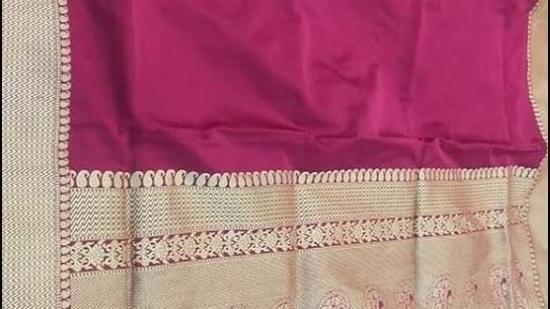
Price rise has hit the industry hard, especially the Banarasi saree makers. The silk price has increased around ₹1,000 per kg in the last five months which has further raised the production cost. However, the manufacturers cannot increase the price of silk clothes, including Banarasi Saree, stole, etc because the market is already sluggish.
Competition from Power Looms: Machine-made imitations flood the market, undercutting the price of authentic handwoven silk, impacting weavers' livelihoods.
Rising Costs: The increasing cost of raw materials like silk and zari, coupled with labor costs, makes genuine Banarsi silk expensive for some consumers.
Skilled Labor Shortage: The younger generation is less inclined to pursue the intricate and time-consuming craft of handloom weaving, leading to a potential decline in skilled artisans.
However, there are positive developments: Geographical indications are established under the Trade related Intellectual Property (TRIPS) under Article 22 to 24 and under Articles 1(2) and 10 of Paris Convention for the Protection of Intellectual Property. India, being a member of the World Trade
Organisation (WTO) and has enacted Geographical Indications of Goods. The consumer study conducted by the European Union Commission has estimated that more than 40% of the consumers are ready to pay the premium to the upper limit of 10%, if the guarantee of origin of the product is made available to
them.
Geographical Indication (GI) Tag: The GI tag protects the authenticity of Banarsi silk woven in Varanasi, safeguarding its heritage and preventing misleading imitations. Banaras, one of the rich weaving centres of India, is famous for Brocade saree and dress material. It is due to its intrinsic and exclusive silk, that Banaras has been made world famous. Among its variety of sarees produced, some of the exclusive ones are Jangla, Vaskat, Butidar, Tanchoi, Tissue and Cutwork brocaded with extra weft patterns in diverse layouts introducing Buties, Buttas, Creepers and Bells in the Anchals for attracting the beauty that it holds. Through time, in pursuit to cater to the needs of overseas and domestic buyer, the weavers even started to produce other silk items like dhoti, stole, scarf, muffler etc.
Government Initiatives: The Indian government has implemented schemes like the National Handloom Development Programme (NHDP) to support weavers through subsidies and skill development programs.
Designer Collaborations: Collaborations with contemporary fashion designers are introducing Banarsi silk to a wider audience and giving it a modern twist.
Branding: Banarsi silk enjoys a strong brand identity built on several key aspects:
Luxury: It is associated with opulence, elegance, and sophistication, making it a coveted textile for special occasions.
Tradition: The centuries-old craftsmanship and rich history imbue Banarsi silk with a sense of heritage and cultural significance.
Craftsmanship: Each handwoven piece is a testament to the skill and dedication of artisans, making it a unique work of art.
Based on “Report on Market research for promotion of India Handloom brand ‘ by Ministry of Textiles, GOI
Young Indians are aware of handloom products but are not regular users. Handloom products are more often used as home furnishings than apparel.
The lack of availability and promotion of handloom products is a major reason for their low popularity.
Handloom products have not kept up with changing fashion trends, which has limited their appeal to the younger generation.
Young Indians appreciate the unique designs, high fabric quality, and overall look of handloom products. The breathability of handloom fabrics makes them well-suited to the Indian climate.
The traditional look of handloom products restricts their use to special occasions and formal settings.
Handloom products require high maintenance, which makes them impractical for everyday wear.
The limited range of designs and colors does not appeal to the fashion-conscious younger generation. Handloom products are often more expensive than mass-produced apparel.
Young Indians are willing to pay more for high-quality apparel.
Handloom products have the potential to tap into this market by offering unique designs and customization options.
Young Indians have a strong preference for branded apparel. Branded apparel is seen as a guarantee of quality, fit, and finish. Effective Media for Brand Promotion
Social media is one of the most effective channels for promoting handloom products to young Indians. E-commerce is also a growing platform for apparel sales.
TV ads and outdoor media can also play a role in brand awareness campaigns.
The supply chain for handloom products in Assam is fragmented and inefficient. Weavers are often dependent on middlemen for access to raw materials and markets. There is a lack of coordination between weavers, producers, and retailers.
The government has implemented several schemes to support the handloom industry, including the SWANIRBHAR NARI scheme.
These schemes aim to empower weavers, improve product quality, and promote handloom products.
To effectively market and promote NER handloom products, crafted by women entrepreneurs, on social media and digital marketing platforms, while preserving the region's rich cultural heritage.
Segmentation: The distinct market segments are eco-conscious consumers, fashion enthusiasts, local people from NER, stylish youth as well as middle aged consumers who push for traditional clothes on special occasions.
Kapferer's brand identity prism for North East Indian handloom products, especially Assam:
Example: A beautifully crafted muga silk mekhela chador from Assam, India, is renowned for its soft texture, golden sheen, and intricate motifs woven with the finest silk threads.
Example: A woman adorned in a handloom gamocha from Assam exudes an aura of confidence, style, and a deep appreciation for her cultural roots.
Example: A traditional Assamese wedding is incomplete without the bride's exquisite handloom mekhla chador, a testament to the enduring role of handloom in the region's cultural tapestry.
Example: A person who proudly wears an Eri silk scarf from Assam demonstrates their appreciation for traditional craftsmanship, ethical sourcing, and the preservation of cultural heritage.
Example: A woman wearing a handloom Mekhela Chador from Assam radiates confidence and elegance, reflecting her appreciation for her cultural heritage and the exquisite craftsmanship of the region.
Example: A man who wears a handloom gamocha from Assam feels connected to his Assamese heritage, takes pride in the region's craftsmanship, and is making a positive impact on the world by supporting traditional craftsmanship and fair trade practices.
Remember, a key factor in sustainability is consistency. Building a long-lasting brand requires ongoing effort and dedication to your mission.
Campaign Idea 1: "Heritage Threads - Weaving Cultures Together" Hindi: "विरासत के धागे - संस्कृतियों को एक साथ बुनते हुए"
English: "Threads of Heritage - Weaving Cultures Together"
Campaign Idea 2: "Empower Threads, Empower Dreams" Hindi: "शिRत दो धागों को, सपनों को शिRत दो"
English: "Empower Threads, Empower Dreams"
Campaign Idea 3: "Crafting Culture, One Thread at a Time" Hindi: "संस्कृfत का fनमा ण, एक धागे से एक बार"
English: "Crafting Culture, One Thread at a Time"
Remember to pair these campaign ideas with captivating visuals, such as images and videos of the artisans at work, the vibrant handloom products, and snippets of the region's breathtaking landscapes. The aim is to evoke emotions, inspire action, and ignite a sense of pride in the audience.
Ad Idea 1: "Threads of Unity" - Short Video
Story: The video opens with picturesque shots of the North Eastern landscapes. As the camera zooms in, it transitions to close-ups of women artisans skillfully weaving handloom fabrics. Their hands moving with precision and pride.
Narration (in Hindi): "हर धागा एक कहानी कहता है, हर बुनाई एक संगीत। नॉथ ईस्ट की मfहलाएँ न केवल सौंदय पूण वस्त्र बनाती हैं, बिǐक संस्कृfत के तार को fमलाती हैं।" (Translation: "Every thread tells a story, every weave a melody. Women from the North East don't just craft beautiful fabrics, they interlace the threads of culture.")
The video showcases a diverse range of handloom products, from traditional garments to modern fashion items, all beautifully presented.
Voiceover (in English): "Empower tradition, support dreams. Choose handloom, choose culture."
Ad Idea 2: "Weave of Dreams" - Short Story
Story: Lila, a young woman from a remote village in the North East, dreams of preserving her heritage through handloom. She starts her journey with just a loom and determination. The story follows her challenges, growth, and the beauty she creates.
Text Overlay: "From Dreams to Threads: The Story of Lila, an Entrepreneur and Weaver"
The story continues, showing Lila interacting with customers, shipping her products, and gradually building a successful business.
Text Overlay: "Empowerment Through Threads: Supporting Women Entrepreneurs"
The story concludes with Lila smiling at her loom, surrounded by her vibrant handloom products. Text Overlay: "Choose Handloom, Support Culture"
Ad Idea 3: "Culture Connects Us" - Short Video
Video: The video starts with quick shots of various handloom products being worn or used by people from different regions of India. As the camera zooms out, it reveals a map of India, with lines connecting the different regions.
Voiceover (in Hindi): "बुनाई की कला ने जोड़ा देश को एक साथ, fबना fकसी भाषा के शब्दों के। नॉथ ईस्ट से लेकर दf ण तक, हर कोने में बसी एक ही भावना - समृद्fध और संस्कृfत की प्रेfमका।" (Translation: "The art of weaving has connected the nation without any need for words. From the North East to the South, a common sentiment resides - the lovers of prosperity and culture.")
The video ends with the campaign's tagline and a call-to-action. Tagline: "Threads of Unity: Weaving Dreams, Preserving Culture" Call-to-Action: "Discover the Magic of Handlooms"
Remember, the key to effective storytelling in ads is to evoke emotions, connect with the audience's values, and leave a lasting impression. Use visuals, music, and narration to create a memorable experience that resonates with viewers.
Financing options for digital marketing and social marketing initiatives for Northeast Indian handloom products

Fast fashion is the business model of replicating recent catwalk trends and high-fashion designs, mass-producing them at a low cost, and bringing them to retail quickly while demand is at its highest. The pressure to reduce costs and speed up production time means environmental corners are more likely to be cut. Fast fashion's negative impact includes its use of cheap, toxic textile dyes—making the fashion industry the one of the largest polluters of clean water globally. Fast fashion is also associated with waste, the promulgation of a "disposable" mentality, low wages, and unsafe workplaces.
Sustainable fashion like the Handloom textiles can be used as a solution here by already being naturally and ethically sourced, not polluting water in the already growing scarcity of water and extreme climate occurrences, not harming animals, instead living with the nature, being durable enough for long term use still trendy and all time fashion. This in turn can be used as opportunity to better the working conditions and incomes for our artisans by supporting the ‘Make in India’, being a business driven by the artisans themselves like the SHG’s and not being exploited by big corporate houses and help make India a leader in sustainable fashion through its age old traditional cultural practices, which we have already been doing historically.
Criteria | Handloom Sustainable Fashion | Fast Fashion |
Sourcing | Naturally and ethically sourced materials | Often relies on synthetic fabrics and mass production |
Environmental Impact | Low impact, does not pollute water | High environmental footprint, contributes to pollution |
Climate Conscious | Aligns with sustainability, adapts to climate conditions | Contributes to climate change due to resource-intensive production |
Animal Welfare | Animal-friendly, no harm to animals | May involve animal cruelty in leather and fur production |
Criteria | Handloom Sustainable Fashion | Fast Fashion |
Durability | Durable, designed for long-term use | Often designed for short-term trends, leading to fast wear and tear |
Working Conditions | Opportunities to improve working conditions for artisans | Often criticized for poor working conditions and low wages |
Business Model | Driven by artisans, supports local economies | Dominated by large corporations, sometimes accused of exploitation |
Cultural Practices | Preserves traditional cultural practices | Emphasizes rapid turnover and new trends over cultural significance |
Fashion Leadership | Contributes to making India a leader in sustainable fashion | May face challenges in achieving sustainability goals |
Marketing assistance from the Government
Objectives:
Components of HMA:
Empowering non-tech-savvy and basic education women artisans with marketing skills requires a tailored approach that emphasizes hands-on training, practical guidance, and simplified tools. Here's a comprehensive strategy to effectively train these women artisans for marketing their businesses:
Assam, located in northeastern India, boasts a rich tradition of handloom weaving, with women artisans playing a significant role in preserving and promoting this cultural heritage. Historically, handloom weaving has been a source of economic sustenance for many families in rural Assam, with skills passed down through generations. However, despite its cultural significance, the handloom industry faces various challenges, including competition from mass-produced fabrics, lack of market access, and socio-economic disparities among artisans.
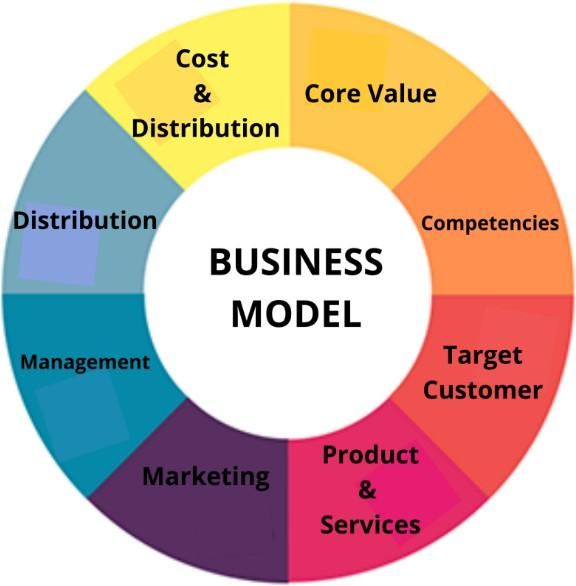
Recognizing the need to support and empower women artisans in Assam, the handloom weaving enterprise seeks to address these challenges by providing them with sustainable livelihood opportunities. Through a combination of training, skill development, market access, and community engagement initiatives, the enterprise aims to revitalize the handloom sector, preserve traditional weaving techniques, and create a positive impact on the lives of women artisans and their communities.
Market Demand:
There is a growing global demand for ethically-produced and sustainable fashion products, driven by increasing consumer awareness about environmental and social issues. Handloom products, with their unique craftsmanship and cultural significance, are well-positioned to tap into this niche market segment. Additionally, there is a growing interest among consumers in supporting traditional crafts and artisans, further fueling the demand for handloom products.
The handloom industry in Assam faces competition from other textile industries and mass-produced fabrics. However, the unique cultural heritage and quality craftsmanship of Assamese handloom products provide a competitive advantage. By leveraging indigenous silk varieties such as Muga, Eri, and Pat silk, the enterprise can differentiate its products in the market and appeal to discerning consumers interested in authentic and sustainable fashion.
The handloom weaving enterprise will offer a range of handloom products, including:
The enterprise will collaborate with local artisan communities to provide training, skill development, and capacity-building workshops. These initiatives will focus on enhancing weaving skills, design techniques, quality control measures, and entrepreneurship skills, empowering women artisans to take ownership of their craft and livelihoods.
The enterprise will establish weaving centers equipped with modern looms and infrastructure to improve efficiency and quality control. These centers will serve as hubs for artisan training, production, and collaboration, fostering a sense of community and shared learning among women artisans.
To ensure the highest quality of handloom products, the enterprise will source silk yarn directly from local sericulture centers or cooperatives. By establishing direct partnerships with silk producers, the enterprise can guarantee fair prices for silk producers and artisans, promoting transparency and ethical sourcing practices throughout the supply chain.
Encouraging innovation and creativity among artisans is crucial for staying relevant in the competitive market. The enterprise will provide design inputs, access to design libraries, and opportunities for collaboration with fashion designers. These initiatives will enable artisans to experiment with new designs, techniques, and materials, enhancing product diversity and appeal.
The enterprise will develop partnerships with retail outlets, e-commerce platforms, and government-sponsored exhibitions to showcase and sell handloom products domestically and internationally. By leveraging multiple sales channels, the enterprise can reach a wider audience of customers interested in ethically-produced and sustainable fashion products.
Community engagement initiatives play a vital role in promoting the rich tradition of Assamese handloom weaving and increasing market demand. The enterprise will organize community events, cultural festivals, and awareness campaigns to raise awareness about the importance of supporting local artisans and preserving cultural heritage. These initiatives will not only generate interest in handloom products but also foster a sense of pride and appreciation for traditional crafts.
Leveraging government subsidies, grants, and support schemes for handloom promotion will be essential for the success of the enterprise. The enterprise will work closely with government agencies, such as the Ministry of Textiles and State Handloom Development Corporations, to access financial assistance for infrastructure development, marketing, and skill upgradation. By tapping into government support schemes, the enterprise can reduce operational costs and accelerate growth.
Environmental sustainability is a core value of the enterprise. To minimize its environmental footprint, the enterprise will implement eco-friendly practices throughout the supply chain, including the use of natural dyes, waste reduction, and recycling initiatives. By prioritizing sustainability, the enterprise can appeal to environmentally-conscious consumers and contribute to the preservation of natural resources for future generations.
Ensuring fair wages, safe working conditions, and social welfare benefits for women artisans is a top priority for the enterprise. By prioritizing the well-being and empowerment of women artisans, the enterprise can create a positive impact on their lives and communities. Fair wages and social welfare benefits will not only improve the economic status of artisans but also enhance their overall quality of life, enabling them to lead dignified and fulfilling livelihoods.
The revenue model of the handloom weaving enterprise will be based on multiple streams, including:
Direct Sales through Retail Outlets and E-commerce Platforms: Revenue generated from the sale of handloom products through retail outlets, online marketplaces, and the enterprise's own e-commerce website.
Bulk Orders for Corporate Clients and Events: Revenue generated from bulk orders for corporate gifting, events, and institutional sales.
Customization Services: Additional revenue generated from customization services, including personalized designs, sizes, and color options.
Workshops and Training Programs: Revenue generated from conducting workshops, training programs, and educational tours for tourists, students, and enthusiasts interested in learning about handloom weaving techniques and traditions.
Tourism Initiatives: Revenue generated from tourism initiatives, such as artisan tours, cultural experiences, and handicraft trails, designed to promote the rich tradition of Assamese handloom weaving and generate income for women artisans.
Online Presence and E-commerce Platforms: Develop a visually appealing and user-friendly website showcasing handloom products. Utilize popular e-commerce platforms such as Amazon, Etsy, or Flipkart to reach a wider audience. Implement SEO techniques and online advertising to increase visibility and attract online customers.
Social Media Marketing: Establish a strong presence on social media platforms like Instagram, Facebook, and Pinterest. Share engaging content, including product photos, behind-the-scenes glimpses of artisan work, and stories highlighting the cultural significance of handloom weaving in Assam. Run targeted ad campaigns to reach specific demographics interested in handmade and sustainable products.
Collaborations with Influencers and Fashion Designers: Partner with fashion influencers, bloggers, and local celebrities to promote handloom products through sponsored posts, product reviews, and collaborations. Collaborate with fashion designers to create exclusive collections featuring Assamese handloom products, which can be showcased at fashion shows and events.
Local Retail Partnerships: Establish partnerships with local boutiques, artisan cooperatives, and craft fairs to showcase and sell handloom products in physical retail outlets. Offer wholesale discounts to retail partners to incentivize bulk purchases and ensure wider distribution.
Corporate Gifting and Bulk Orders: Target corporate clients for bulk orders of handloom products for corporate gifting, employee incentives, and promotional giveaways. Attend corporate trade shows and networking events to showcase product samples and pitch customized gifting solutions.
Community Engagement and Events: Organize community events, pop-up shops, and cultural festivals celebrating Assamese handloom weaving traditions. Offer interactive workshops and demonstrations where customers can learn about the weaving process and try their hand at basic weaving techniques.
Tourism Initiatives: Develop tourism packages that include visits to weaving centers and interactions with women artisans, offering tourists an immersive experience of Assamese handloom weaving culture. Partner with local tour operators, hotels, and travel agencies to promote these tourism initiatives to domestic and international travelers.
Email Marketing and Customer Retention: Build an email list of customers and prospects interested in handloom products and regularly communicate with them through newsletters, product updates, and special promotions. Implement a loyalty program offering discounts, exclusive access to new
collections, and personalized recommendations to incentivize repeat purchases and foster customer loyalty.
Market Fluctuations: Market demand for handloom products may fluctuate due to changing consumer preferences, economic conditions, and fashion trends.
Mitigation Strategy: Diversify product offerings, adapt marketing strategies, and maintain flexibility in production to respond to market dynamics.
Competition: Competition from other textile industries and mass-produced fabrics may pose a challenge to the enterprise.
Mitigation Strategy: Differentiate products through quality craftsmanship, unique designs, and cultural authenticity, and emphasize the social and environmental benefits of supporting handloom products.
Supply Chain Disruptions: Disruptions in the supply chain, such as shortages of raw materials or disruptions in transportation, may impact production and sales.
Mitigation Strategy: Establish alternate supply sources, maintain buffer stocks of raw materials, and implement contingency plans to mitigate supply chain risks.
Regulatory Compliance: Compliance with regulatory requirements and government policies may pose administrative challenges and add to operational costs.
Mitigation Strategy: Stay informed about relevant regulations and policies, maintain accurate records, and seek professional guidance to ensure compliance with legal requirements.
Cultural Preservation: The preservation of traditional weaving techniques and cultural heritage may face challenges due to changing social dynamics and modernization.
Mitigation Strategy: Collaborate with local communities, cultural organizations, and government agencies to promote cultural preservation efforts, educate consumers about the significance of traditional crafts, and engage in advocacy initiatives to protect artisanal traditions.
Source: Directly from Local Sericulture Centers or Cooperatives.
Procurement Process: Negotiation of Prices and Terms, Contractual Agreements.
Quality Assurance: Inspection for Fiber Quality, Color Consistency, Purity.
Cost Considerations: Varied Based on Silk Quality, Seasonal Availability.
Supply Stability: Dependent on Seasonal Silk Production, Weather Conditions.
Source: Local Cotton Farms, Certified Suppliers.
Procurement Process: Bulk Purchase, Contract Farming Arrangements.
Quality Assurance: Verification of Organic, Non-GMO Cotton Varieties.
Cost Considerations: Variable Based on Cotton Quality, Market Demand.
Supply Stability: Affected by Seasonal Cotton Harvests, Market Trends.
Location: Strategically Located Near Artisan Communities, Accessible Transport. Infrastructure: Modern Looms (e.g., Jacquard, Handlooms), Workstations, Utilities.
Skilled Manpower: Trained Weavers, Supervisors, Quality Control Staff.
Quality Control: Regular Inspections, Sampling, Testing for Product Consistency. Efficiency Measures: Workflow Optimization, Lean Manufacturing Practices.
Design Inputs: Collaboration with Fashion Designers, Local Artisans.
Design Library: Catalog of Traditional, Contemporary Designs, Patterns.
Prototyping: Sample Production, Testing Before Full-scale Manufacturing.
Innovation Labs: Research, Development Facilities for New Techniques, Materials.
Partnerships: Collaboration with Local Boutiques, Handicraft Stores, Cooperatives. Product Placement: Eye-catching Displays, Mannequins, Signage.
Sales Staff: Trained Associates to Assist, Provide Product Information. Inventory Management: Regular Stock Replenishment, Rotation.
Online Store Setup: Website Development, Product Listings, Payment Gateways.
Digital Marketing: SEO, SEM, Social Media Advertising.
Order Fulfillment: Packaging, Shipping, Tracking of Online Orders.
Customer Service: Online Chat Support, Email Correspondence, Returns Management.
Corporate Clients: Engagement with Corporates for Customized, Bulk Orders.
Event Management: Coordination with Event Planners, Organizers for Large Orders.
Logistics Planning: Timely Delivery, Installation at Client Locations.
Quality Assurance: Pre-shipment Inspections, Sampling for Bulk Orders.
Training Programs: Skill Development Workshops, Design Seminars, Entrepreneurship Training.
Hands-on Learning: Practical Demonstrations, Interactive Sessions with Artisans.
Feedback Mechanisms: Surveys, Focus Groups, One-on-one Sessions for Artisan Input.
Community Events: Cultural Festivals, Artisan Markets, Exhibitions to Showcase Products.
Tour Packages: Guided Tours of Weaving Centers, Sericulture Farms, Artisan Villages.
Cultural Experiences: Hands-on Weaving Workshops, Traditional Music, Dance Performances.
Marketing Collaterals: Brochures, Flyers, Online Promotions to Attract Tourists.
Sustainability Practices: Education on Eco-friendly Weaving Techniques, Responsible Tourism.
Natural Dyes: Use of Plant-based, Mineral-based Dyes for Coloring Products.
Waste Reduction: Recycling of Weaver Waste, Water Reuse, Energy-efficient Practices.
Certifications: Compliance with Environmental Standards, Certifications (e.g., GOTS, Fair Trade).
Fair Wages: Transparent Payment Systems, Fair Compensation for Artisan Labor.
Health and Safety: Provision of Safe Working Conditions, Access to Healthcare.
Women Empowerment: Equal Opportunity Employment, Skill Development for Women Artisans.
Community Development: Investment in Education, Healthcare, Infrastructure in Artisan Communities.
Assam handlooms stand at a crossroads. Their rich heritage, unique fibers, and potential for sustainable production offer a compelling story for a discerning market. However, challenges like imitations and limited reach requires a strategic approach. This report highlights the market potential and proposes a business model built on brand building, design innovation, and a focus on sustainability. By utilizing a multi-channel marketing strategy and optimizing the supply chain, Assam handlooms can overcome threats and achieve sustainable growth. Success hinges on collaboration between government, industry players, and skilled weavers. Embracing innovation while preserving tradition holds the key to unlocking the full potential of Assam's exquisite handwoven textiles, ensuring their continued legacy for generations to come.