Professor, Department of Textile and Fiber Engineering,
Indian Institute of Technology Delhi
Leading the handlooms project for the North East Region has been a truly wonderful and humbling experience. While it was a single project on paper, in reality, it has been several vital efforts— machine modifications and fabrication, ergonomic interventions, sustainable dyeing and recipe optimization, counselling, and developing the best practices for the artisans.
My most cherished memory is the time I spent with the weavers during my visit in September 2023. It was a privilege to visit the main clusters in Haropara and Sualkuchi, sitting with the artisans and listening to their stories. Mr. Dhiraj Thakuria, who accompanied me, was an immense help. His ability to bridge the language gap with his knowledge of Assamese and English was crucial, helping me understand the intricate details of their craft. I modified and created some problem statements, based on the interactions with the weavers.
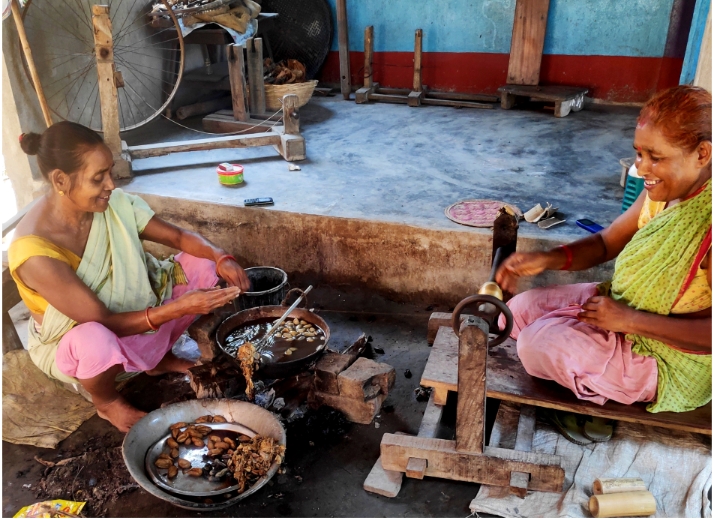
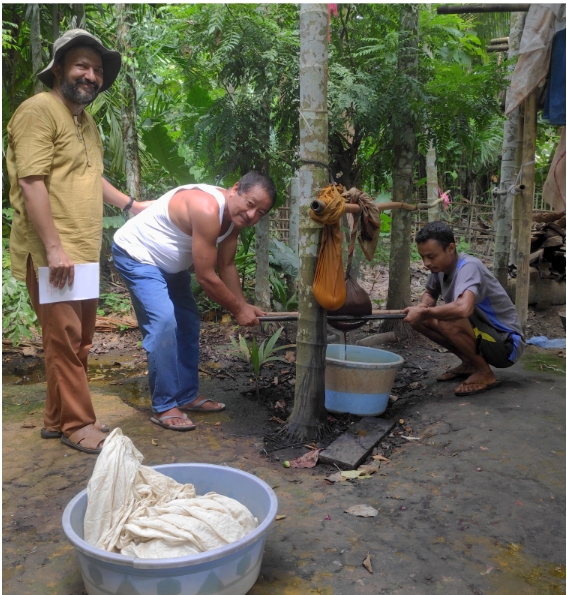
A special part of that journey was meeting Mr. Narmohan Das, a master of natural dyeing. To see the sheer dedication and love with which he nurtures his entire team was astonishing. He learned the craft from his father, and now, with great generosity, he teaches the nuances of natural dyeing to anyone willing to devote their time and hard work. He is a powerful reminder of the passion that keeps these traditions alive.
Every interaction with the weavers, every insight from this project, has deepened my understanding of what they truly need—not just as artisans, but as guardians of a priceless heritage. Working with the handloom sector for more than fifteen years, what I have realized is that it is much beyond the fabric—it’s about identity, dignity, and resilience. Moving forward, these lessons will shape how we design interventions, ensuring they are rooted in the weavers’ realities while opening doors to new possibilities.
I am immensely grateful to everyone who made this project possible: to Ms. Mitali for her tireless coordination, to Mr. Dhiraj for his invaluable local expertise, and to our Co-PIs, Dr. Sougata (IIT Guwahati) and Dr. Wazed (IIT Delhi), for their outstanding dedication. My sincere thanks also go to Dr. Sanjay Panda, Dr. Sourabh, Dr. Chandrajeet, and Subhradeep for their critical contributions to this effort.
Professor, Department of Textile and Fiber Engineering,
Indian Institute of Technology Delhi
“As Co-Principal Investigator of the NER Assam project, my focus has been advancing sustainable natural dyeing and finishing practices for Eri silk. Along with my team, I have developed standardized SOPs for turmeric and lac dyes to ensure consistency, eco-safety, and improved quality in artisan production. We also assessed the functional properties of the dyed products, which enhance value addition and promote their appeal within India and in global markets. Another key challenge addressed in this project is the washing fastness issues observed in synthetic pre-dyed cotton yarns. To tackle this, we provided practical, easy-to-adopt solutions that enable artisans to achieve more durable and reliable results. We supported effective on-ground implementation by conducting hands-on training, dyeing trials, and providing accessories to a few artisan clusters in Assam. This initiative safeguards traditional dyeing knowledge and empowers local artisans with environmentally responsible, technically sound, and market-ready solutions that promote heritage and sustainable livelihoods”
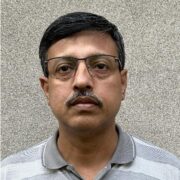
Professor, Department of Textile and Fiber Engineering,
Indian Institute of Technology Guwahati
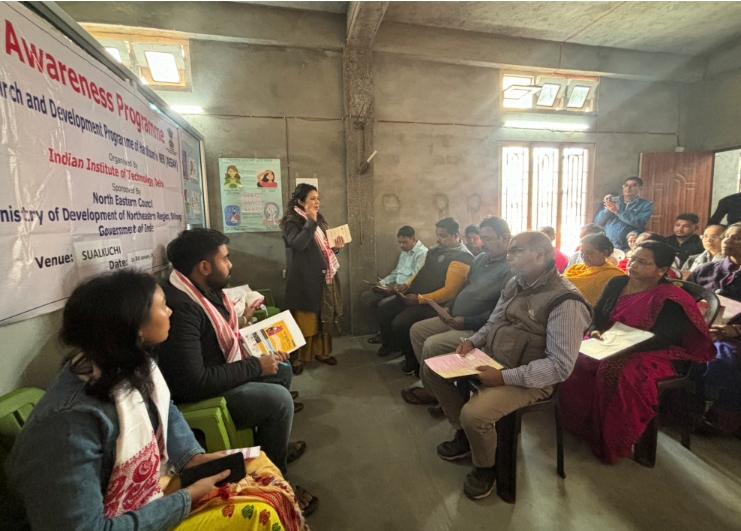
As a researcher and academician, the aspiration to contribute to a socially impactful, live project aimed at improving the work-life and livelihoods of underprivileged rural communities has long been a personal and professional goal. That vision materialized through my active involvement in the ‘Research Development Programme of Handloom in NER (Assam)’, a prestigious initiative sponsored by the North Eastern Council (NEC), Ministry of Development of North Eastern Region, Government of India. This project provided a unique opportunity to work directly with handloom weavers and artisans from various locations in Assam—Sanpara, Sualkuchi, Bangshar, and Hahim with the objective of bringing about measurable socio-economic upliftment and reducing occupational drudgery. Our multidisciplinary team aimed to enhance the profitability, sustainability, and dignity of handloom weaving by leveraging appropriate technology, refining processing techniques, integrating organic dyeing and finishing methods, and addressing critical ergonomic and psychological stressors.
With my specialization in Ergonomics/Human Factors, my contributions focused on tackling the occupational health and safety challenges faced by handloom weavers. A core component of my approach was to identify the risk factors leading to Musculoskeletal Disorders (MSDs) by systematically analyzing the weavers' postures and repetitive motions during various loom-based tasks. In parallel, I investigated the impact of environmental variables—including temperature, humidity, airflow, noise, and illumination—on worker comfort and productivity. Using field measurements conducted over an entire year and validated through perception-based questionnaires, we identified significant stressors, such as high noise exposure and insufficient lighting, which adversely affected the psychophysiological well-being of the artisans.
To mitigate these conditions, our team proposed a set of practical interventions, notably:
● Distribution of LED lights to improve visual acuity, particularly for intricate motif
weaving.
● Design and implementation of an innovative seating arrangement, carefully aligned
with traditional practices, to enhance postural comfort and reduce strain during long
weaving sessions.
The execution of this project in real-world rural settings was both challenging and eye-opening. Operating in the field required adaptability, cultural sensitivity, and resilience. Our success was made possible through collaborative teamwork under the guidance of Prof.Samrat Mukhopadhyay, whose leadership enabled us to integrate diverse disciplinary perspectives into coherent, actionable solutions.
Despite logistical constraints and the complexities of fieldwork, the direct engagement with the community allowed us to understand the ground realities—the daily struggles of artisans, their resilience, and their aspirations for a better quality of life. Participating in this project has been a deeply transformative experience. It strengthened my belief in the power of context-specific, human-centric design and the potential of academic research to drive grassroots-level change. Through evidence-based interventions, we were able to not only propose but implement solutions that improved ergonomic safety, psychological well-being, and ultimately, livelihood sustainability for the artisan community.
I believe our coordinated efforts have created a meaningful and lasting impact on the work-life of the weavers. This experience has further inspired me to continue pursuing research that bridges the gap between technology and traditional knowledge systems, with a strong emphasis on human dignity, safety, and socio-economic development.

Project Executive,
Handloom Research and Development Project in NER, India
Being part of the Handloom Research and Development Project in the Northeastern region, implemented by the Department of Textile and Fibre Engineering, IIT Delhi, has been one of the most meaningful journeys of my life—not just professionally, but deeply personally.
This project was more than an assignment or a role for me. It was the fulfilment of a dream that took root in my childhood—watching my grandmother weave with her hands and her heart. She would create beautiful motifs without any design cards, just intuition and love. Every year during Bihu, she would lovingly weave gamosas for each family member—simple gifts, yet full of warmth and meaning. Those woven pieces weren’t just fabric; they were expressions of care, connection, and tradition. That silent beauty of weaving stayed with me, and it grew into a quiet wish: to one day work for and with our artisans.
In 2018, I took the first steps toward that dream by traveling across handloom clusters in Assam, meeting weavers, listening to their stories, and observing their everyday lives. What I saw and felt turned into the foundation of a project proposal, written with hope and belief that something could be done for our weaver communities—especially our women weaver sisters who hold so much strength yet receive so little recognition.
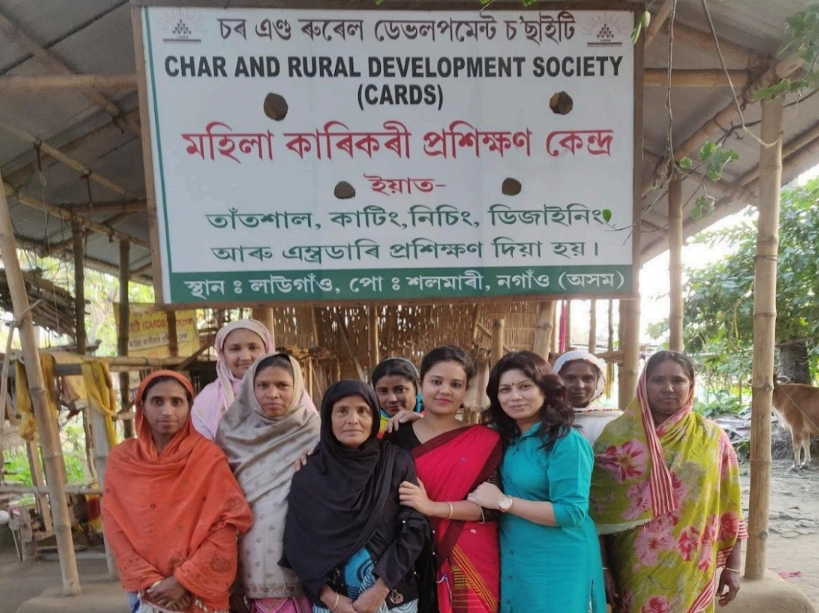
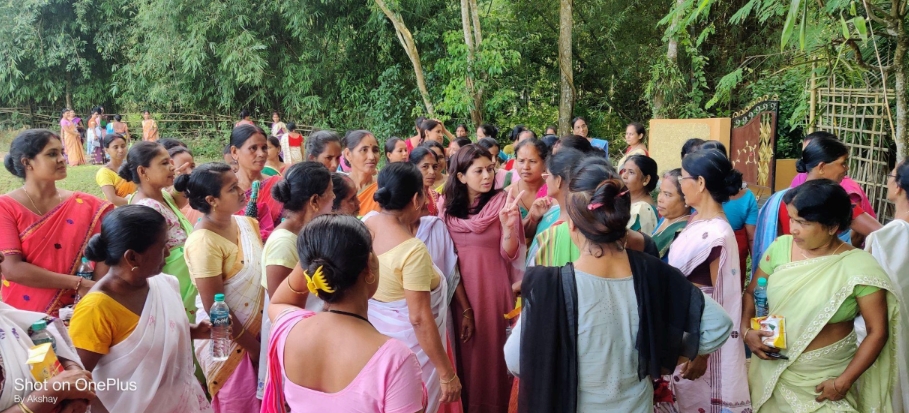
By the grace of god, the blessings of so many kind people, and the trust of those who believed in this vision, that proposal turned into reality. I was given the opportunity to serve as a core project team member and project executive, working on both administrative and research responsibilities, with a special focus on personalised support and counselling for weavers.
This journey has taught me more than I could have ever imagined. I learned not only about weaving techniques, dyeing, design development, fabrication, and lab research, but also about the inner resilience of our artisans, their struggles, their pride, and their quiet endurance. Working closely on the ground and within the system also opened my eyes to how much we can do when we bring policy, research, empathy, and fieldwork together.
I was fortunate to be surrounded by a team that supported me throughout—our Principal Investigator, Co-PIs, Consultant, Research fellows, Field staff, Interns, and officials from the state of Assam. Everyone played a part in shaping this journey, and I will always be grateful for their encouragement and trust.
Most importantly, this project helped me reconnect with my roots, with the strength of my community, and with the legacy of craft that lives through our weavers. It reminded me that handloom is not just an industry—it is emotion, identity, and history woven together.
As I reflect on this journey, my heart is full. But I also know this is just the beginning. With the grace of everyone—my mentors, my colleagues, the community, and the divine—I hope to continue walking this path. I wish to keep working closely with our artisans, learning from them, standing beside them, and doing whatever I can to ensure that their art, their voices, and their dreams are honoured and uplifted.